

Who subscribes to TKer?
Investors seeking data-driven context that they’re not getting in the news.
Veteran advisors looking for new ways to discuss timeless themes.
Early-career financial professionals wanting smart things to say in meetings.
Experienced analysts keeping tabs on their industry peers.
Chartists who could use a dose of fundamental analysis.
Financial journalists looking for unique ideas to pitch to their editors.
TKer is for anyone interested in getting smarter about the stock market. It brings curated news, data, and insights on the markets and the economy. It complements and contextualizes the deluge of financial headlines and commentary you see every day with the aim of amplifying major themes that don’t get enough coverage by the big financial news outlets. It’s written for everyone, ranging from novice investors to seasoned financial professionals.
TKer isn’t here to help short-term traders looking to make a quick buck. It’s tailored for long-term investors aiming to build wealth over time.
What you get as a subscriber 📄
Become a paid subscriber and you’ll get about two to four newsletters per week. This includes the free weekly newsletter on Sundays. Importantly, you’ll have full access to TKer’s archived content, which gets referenced and hyperlinked to frequently.
Monthly plan price: $19.00
Annual plan price: $199.00
Not ready for a paid subscription? Sign up for a free subscription to receive the weekly newsletter on Sundays and occasional public posts.
Subscribe now and join our community of 36,000+ subscribers!
If you’re unsure about paying, consider trying a free subscription. You may soon see the value in upgrading to the paid subscription. And the minute you think I’m jamming up your inbox, feel free to unsubscribe. No hard feelings!
Check out “10 Truths About The Stock Market“ to get a sense of TKer’s tone. You can also find all of TKer's published work here.
What they’re saying about TKer 🔊
“Sam Ro understands what drives markets better than most on Wall Street.“ - Barry Ritholtz, “How NOT To Invest”
“Permabulls have one great advantage over the permabears, best articulated in a common-sense catchphrase of Sam Ro’s… As Sam says, ‘Stocks usually go up.’” - Andy Serwer, Barron’s
“…you might want to check out Sam Ro’s TKer…” - John Authers, Bloomberg
“…one of our favorites…” - Ben Smith, Semafor
“You could do worse than a subscription to the Sam Ro publishing house.” - Tom Keene, Bloomberg
“Sometimes a financial journalist is so good at what he does that he becomes his own brand.“ - ETF Trends

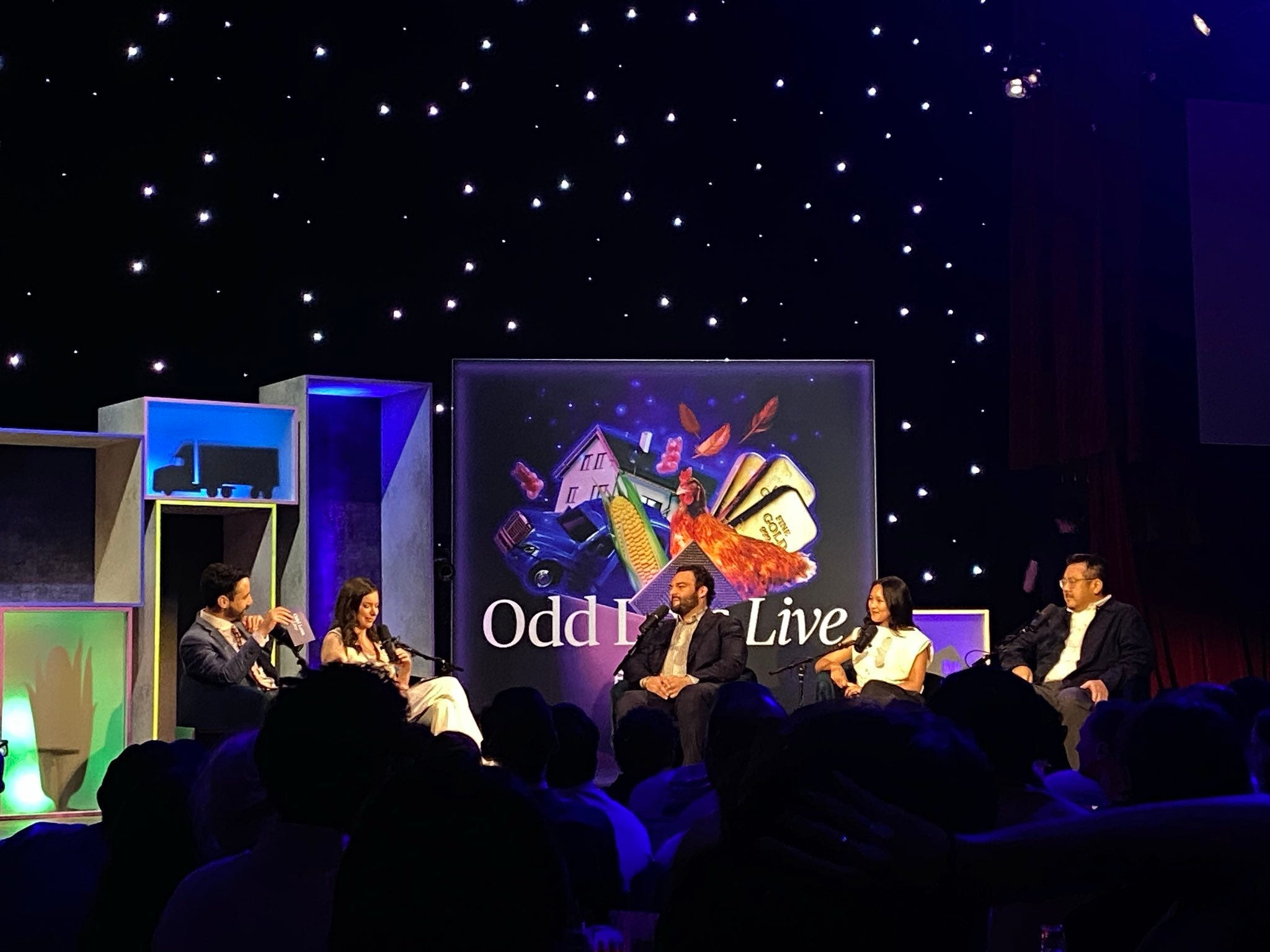
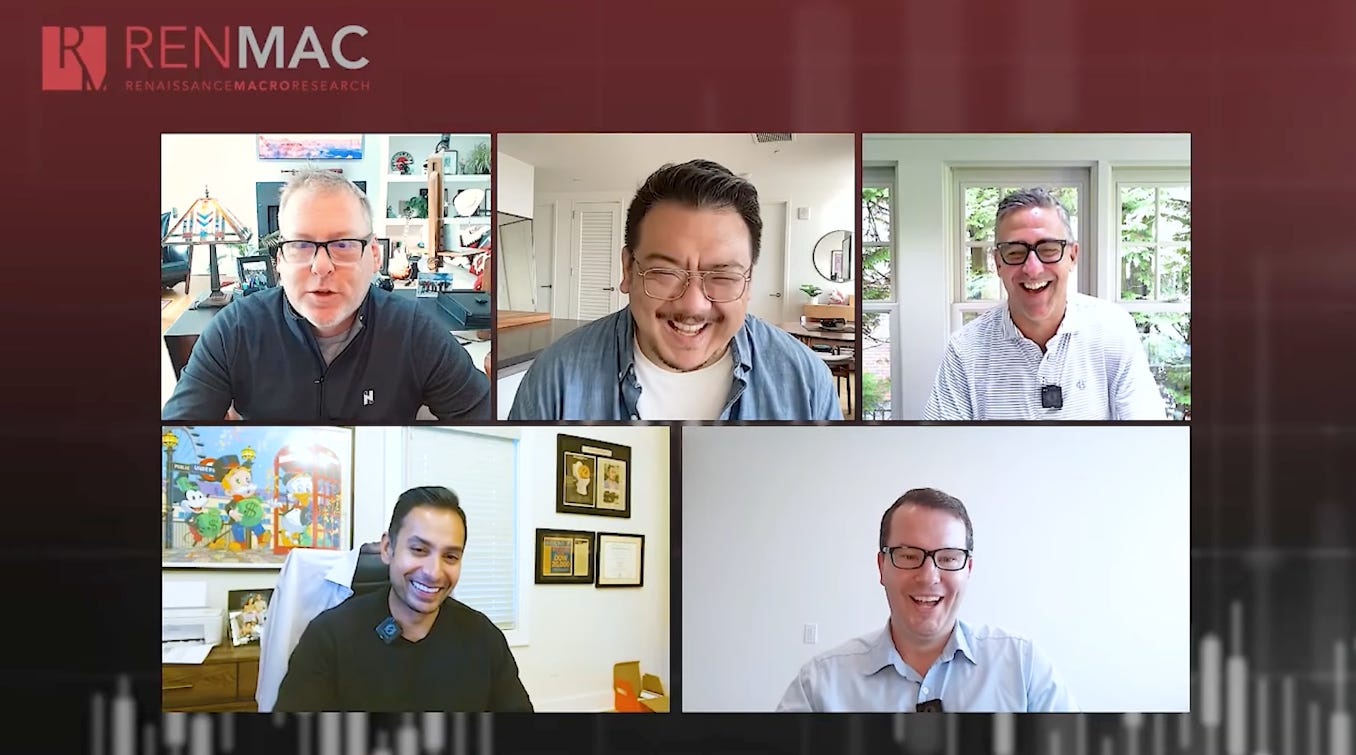
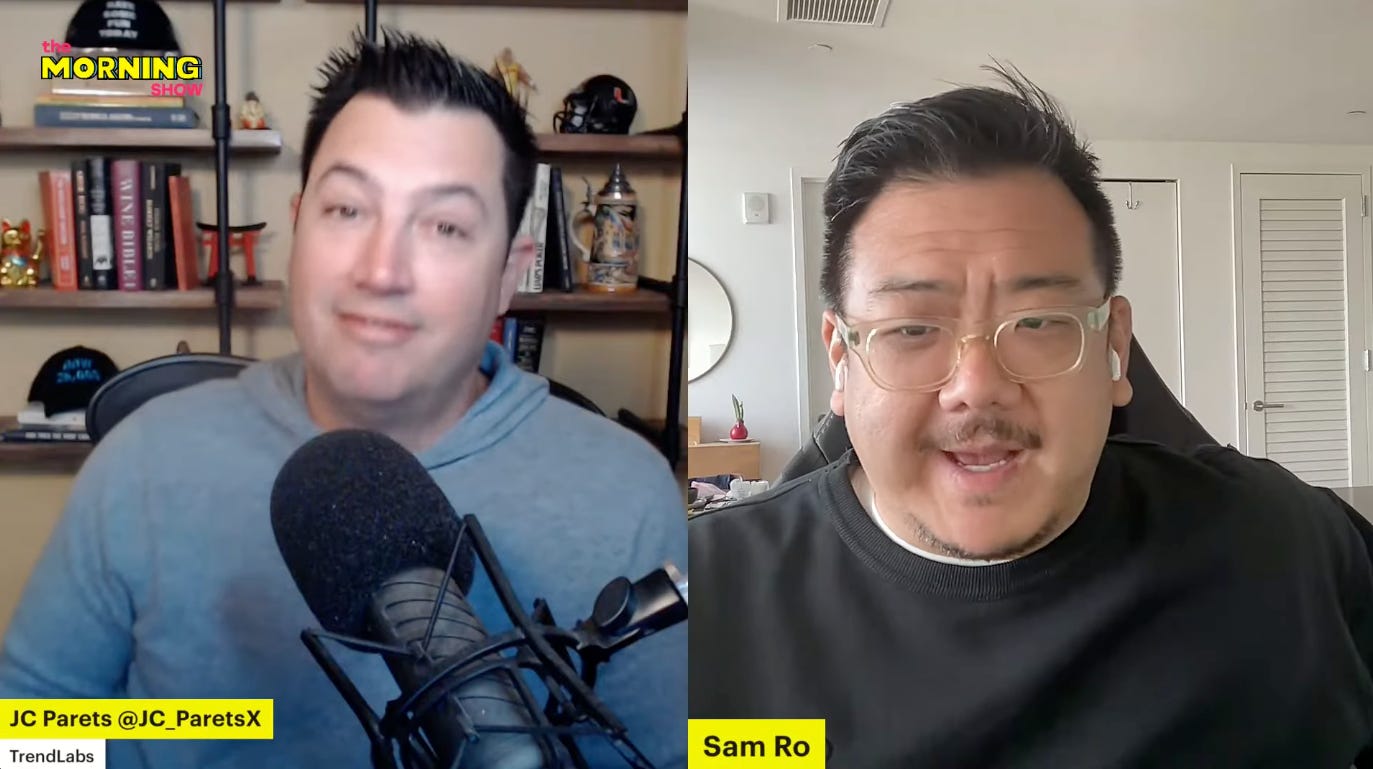
🎧 Heard on ABC News, Yahoo Finance, Odd Lots, The Compound & Friends, RenMac Off-Script, Full Disclosure w/ Roben Farzad, At The Money, Excess Returns, Facts vs Feelings, Full Signal, Investopedia Express, StockMarketTV, MoneyShow, The Long Term Investor, and TheStreet.
📝 Mentioned in S&P Dow Jones, Wall Street Journal, Barron’s, Bloomberg, Exec Sum, FT Alphaville, The Big Picture, Abnormal Returns, Naked Capitalism, The Belle Curve, Inc., JUST Capital, Odd Lots, Brunswick Review, and Mediaite.
👀 Seen on Financial Times, Yahoo Finance, MarketWatch, Real Clear Markets, MoneyShow, Axios, and Business Insider.
🏆 Winner of the 2022 SABEW “Best in Business” award.
TKer’s value proposition 🕰
It’s never too late to become a subscriber. And subscribers will never fall behind, even if a couple of newsletters go unread.
Why?
Because TKer is only interested in covering the stuff that informs longer-term themes in the markets and the economy. This means that TKer’s articles reflect an ongoing conversation about the forces driving your finances. And this is reflected by the heavy amount of hyperlinking you’ll see to other articles on TKer. At TKer, a key measure of success is how often an article gets hyperlinked.
So, if you are unable to read every newsletter, you’ll be fine. If the subject of a newsletter was worth your time, it’ll be addressed and linked to in a future newsletter.
TKer will not waste your time with the sensational headlines and inconsequential stories that traditional news organizations feed you all day. We’re not here to serve you empty calories.
Subscribe to TKer and become a smarter investor.
The stock market usually goes up 📈
In my many years of covering the markets as a reporter and editor, I’ve found one thing to hold true: Stocks usually go up.
It’s not a 50-50 shot that the stock market goes up or down. Over the long run, the stock market goes up. This is, after all, why many of us have much of our retirement savings allocated to stocks.
There are lots of reasons why the stock market usually goes up, and there’s some nuance to this observation. You can catch up on a lot of it in “10 Truths About The Stock Market.“
This makes sense if you think about it. Most people want things to be better, not worse. And that demand incentivizes entrepreneurs and businesses to develop better goods and services. And the winners in this process get bigger as revenue grows. Some even get big enough to get listed in the stock market. As revenue grows, so do earnings. And earnings drive stock prices.
TKer (sounds like ‘ticker’) tells the story of how the stock market usually goes up. It does so by advancing the news, data, and insights informing the longer-term themes that drive markets and the economy.
Subscribe to TKer and follow me as we watch the stock market move higher over time and learn about the forces driving this long-term trend.
FAQs 🤔
What is TKer?
TKer is original and curated news, data, analysis, and commentary aimed at informing and educating readers on what’s actually going on in the economy and the markets. All in plain English.
It’s the unabashedly bullish stuff and some terrifyingly bearish stuff, all presented with data-driven context.
It’s the stuff you’ll be thinking about and referring back to in the weeks, months, and years to come.
TKer is not a media organization that is incentivized by “clicks,” which often come from amplifying fear and outlandish views that aren’t backed up by data and thoughtful analysis.
TKer relies on building trust with readers by providing real long-term value worth the price of a paid subscription.
TKer was inspired by my conversations with a wide array of readers, including students, retail investors, financial advisors, Wall Street analysts, business news editors, and many professionals who don’t work in finance. It turns out that some of you are seeking fair coverage of the markets and the economy without the unnecessarily unnerving headlines and ephemeral noise that often fill the pages of the major news outlets.
Who is TKer for?
TKer is for anyone who wants to be informed but doesn’t have the time to sift through the daily deluge of headlines and dive deeper to uncover the stories that actually affect their financial and economic situation.
It’s for investors who are trying to maintain their sanity as they look to achieve their long-term financial goals.
Many subscribers have financial advisors and use other research services, but they read TKer to complement their other resources with independent commentary.

When will you get TKer?
Every Sunday, you’ll get a weekly newsletter that’ll include commentary on a major theme in the markets, highlights from the past week’s news, and a concise summary making sense of it all.
During the week, paid subscribers will get newsletters in real-time. The format, length, and frequency of the newsletters will depend on the news flow. If there’s not much going on, you’ll see very little from me. I’m not going to force newsletters when there’s nothing to talk about. That said, my 15 years of experience writing about markets tells me you should expect two to four issues a week.
How do you use TKer?
TKer is intended to be a low-stress, low-time commitment offering.
I’ll only send TKer if I think there’s something worth reading. Hopefully, the newsletter headline will signal as much.
BUT don’t fret if you can’t read everything. Your time is limited. If I’m writing about something worthwhile, you can bet I’ll reference it and hyperlink to it in future issues.
Why follow Sam Ro?
I’ve been writing about markets and the economy for 19 years. I’ve written widely-circulated newsletters for Yahoo Finance, Business Insider, Axios, and Forbes.
During this time, I’ve developed a framework for covering markets (which I’ve written about here, here, here, and now here) that I’ve employed while leading some pretty successful newsrooms. It’s a framework I’ve used in my writing, which has helped me grow my following.
Ultimately, I write for people like me.
I didn’t study finance or economics in school. But like many, I quickly recognized the importance of financial literacy when I graduated from college with no money, no job, and a lot of debt. I picked up jobs here and there, but spent all of my free time reading up on investing in the financial markets.
I eventually got a job working as an analyst for two Forbes stock-picking newsletters, where I read thousands of 10-Ks and built thousands of DCF models while earning my CFA charter. I later went to Business Insider, where I led the site’s global coverage of markets and the economy. I went on to do the same at Yahoo Finance, where I also co-authored Yahoo Finance’s prized Morning Brief newsletter. I briefly wrote the Axios Markets newsletter before deciding to go all in on TKer.
How do you say TKer?
It sounds like “ticker.”
